

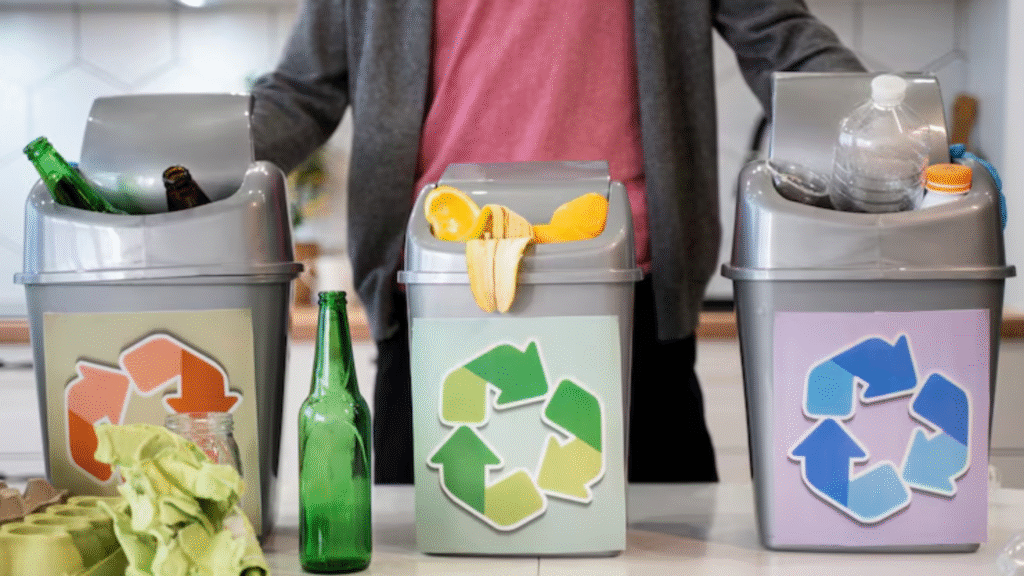
Every home, workplace, and commercial facility relies on practical waste-management solutions to maintain hygiene, efficiency, and convenience. While often overlooked, choosing the right lining material plays a significant role in keeping spaces clean, preventing spills, and ensuring long-term durability. The ideal option depends on capacity, material strength, and usage pattern. With an extensive range available today, selecting the best fit can feel confusing. Many people begin exploring larger-capacity options such as 240 litre bin liners, especially for environments that require consistent high-volume handling.
A well-selected liner not only supports effective waste collection but also enhances the overall maintenance routine. Understanding the differences between types, materials, and strengths helps users choose with confidence, ensuring both functionality and long-term value.
Why Choosing the Right Liner Matters More Than Many Realise
The wrong option often leads to tears, leaks, unpleasant odours, and unnecessary wastage. Spaces such as offices, hospitality venues, schools, factories, and homes each have their own disposal demands. A high-capacity workspace might prioritise strength, while a kitchen or pantry may require protection against moisture. Selecting appropriately ensures the contents remain secure while reducing the frequency of replacements.
Material composition plays a major role. Some are made for lightweight waste, while others are engineered to handle sharp, bulky, or heavy items. Thicker variants provide greater resistance, while thinner ones offer flexibility for lightweight use. Understanding these distinctions helps match the product with its intended environment.
Another essential consideration is sustainability. Modern users increasingly seek environmentally considerate options without compromising performance. This includes biodegradable, compost-friendly, or reduced-plastic designs that support responsible waste practices while maintaining everyday practicality.
As workplaces and households grow more conscious of hygiene and operational efficiency, interest continues to rise in specialised choices such as heavy duty bin liners, valued for their resilience in demanding environments.
Understanding Sizes, Thickness, and Strength
Capacity should always align with the container it supports. Undersized options slip out of place, while oversized ones may affect stability. Measuring capacity ensures a perfect fit for everyday use.
Thickness determines durability. Higher-micron materials withstand sharp edges, messy disposal, and high-density loads. In commercial kitchens, retail spaces, or industrial areas, stronger material is essential to prevent tears when removing or transporting waste.
Strength is influenced by both material thickness and structure. Reinforced bases and stretch-resistant sides reduce the risk of splitting. High-quality options maintain form even when carrying liquids or mixed waste.
Different environments require different strengths:
- Kitchens benefit from moisture-resistant options.
- Offices typically require moderate strength.
- Industrial sites depend on very strong designs.
- Hospitality venues need leak-resistant solutions for hygiene compliance.
These variations reflect how important it is to match the product to real-world use rather than relying solely on size.
Key Benefits of Using the Right Bin Liner
What a Well-Chosen Option Helps You Achieve
- Improved Hygiene: Minimises spills, leakage, and odour buildup.
- Cost Efficiency: Reduces the frequency of replacement and wastage.
- Greater Durability: Handles mixed loads without tearing or stretching.
- User Convenience: Makes waste disposal easier, faster, and cleaner.
- Better Waste Segregation: Supports sorting practices with colour coding or material types.
- Enhanced Safety: Prevents accidental spills that could cause injury or contamination.
Matching Liner Types to Different Spaces
A well-organised waste system requires thoughtful selection. For example, smaller indoor bins may only require lightweight options, while outdoor containers or workplaces handling bulk disposals benefit from tough, reinforced bags.
Kitchen environments often require moisture-resistant materials capable of handling wet waste and food scraps. Offices, on the other hand, usually generate dry waste such as paper, packaging, and disposable materials; their needs differ significantly. Healthcare settings require options that meet stricter hygiene standards and contain waste securely.
Commercial spaces such as retail shops or restaurants depend on liners that maintain structural strength even when filled quickly. Spillage or tears in such busy settings can disrupt workflow, compromise hygiene, and result in additional cleaning.
As waste-management systems grow more structured, many users also seek strong, adaptable solutions such as garbage bin liners, which support varied environments with improved performance and reliability.
Material Choices and Environmental Considerations
Traditional plastic liners remain widely used, but sustainable alternatives have seen increased demand. Compost-friendly variants, biodegradable materials, and reduced-plastic blends support eco-conscious waste systems.
Biodegradable options break down more quickly under the right conditions, making them suitable for organic waste. Compostable designs work best for environments separating biodegradable matter from general waste streams.
Recycled-content options help reduce plastic waste by giving existing materials a second life. These variants offer durability while supporting environmental responsibility.
For households committed to low-impact living, compost-compatible liners can reduce the environmental footprint without compromising cleanliness. Choosing eco-aligned materials enhances both personal and organisational sustainability efforts.
Practical Features That Improve Daily Use
The right liner should be easy to place, tie, remove, and transport. Features such as drawstring tops, reinforced seams, tear-resistant material, and fitted shapes streamline daily routines.
Drawstring closures ensure secure disposal, particularly useful in homes, healthcare environments, and businesses with frequent waste rotation. Reinforced bottoms provide added protection during removal, especially when dealing with dense or heavy contents.
Colour-coded options support waste sorting, especially in workplaces practising sustainability systems. Using distinct colours for organic waste, recyclables, and general waste prevents mixing and promotes cleaner disposal practices.
Ease of handling also matters in commercial settings, where time efficiency influences workflow. A liner that can be removed quickly without tearing reduces disruption and enhances staff productivity.
Building an Efficient Waste-Management Routine
Effective waste management goes beyond selecting the right container or bag. It involves understanding the type and volume of waste produced, choosing environmentally considerate materials, and ensuring regular disposal routines.
Well-selected liners reduce cleaning time, enhance hygiene, and minimise unpleasant odours. They also help maintain professional standards in front-of-house environments, kitchens, retail spaces, and hospitality venues.
Using the right product also supports compliance with local waste guidelines. Some regions encourage or require specific disposal practices for organic matter, recyclables, and general waste. Matching liner types with these guidelines creates smoother waste-processing workflows.
Over time, choosing the proper liner for each environment strengthens operational efficiency and contributes to cleaner surroundings.
Conclusion
Selecting the right waste-collection liner influences hygiene, convenience, sustainability, and daily functionality more than many realise. From high-capacity options for large spaces to specialised, moisture-resistant materials for kitchens and eco-friendly designs for environmentally conscious users, each choice serves a unique purpose. As waste-management expectations evolve, demand continues to rise for dependable options that balance durability, practicality, and efficiency. Many individuals and businesses also incorporate eco-options such as compost bin liners to support responsible disposal.For a wide range of reliable solutions, Shine Suppliers remains committed to offering practical products tailored to everyday needs.